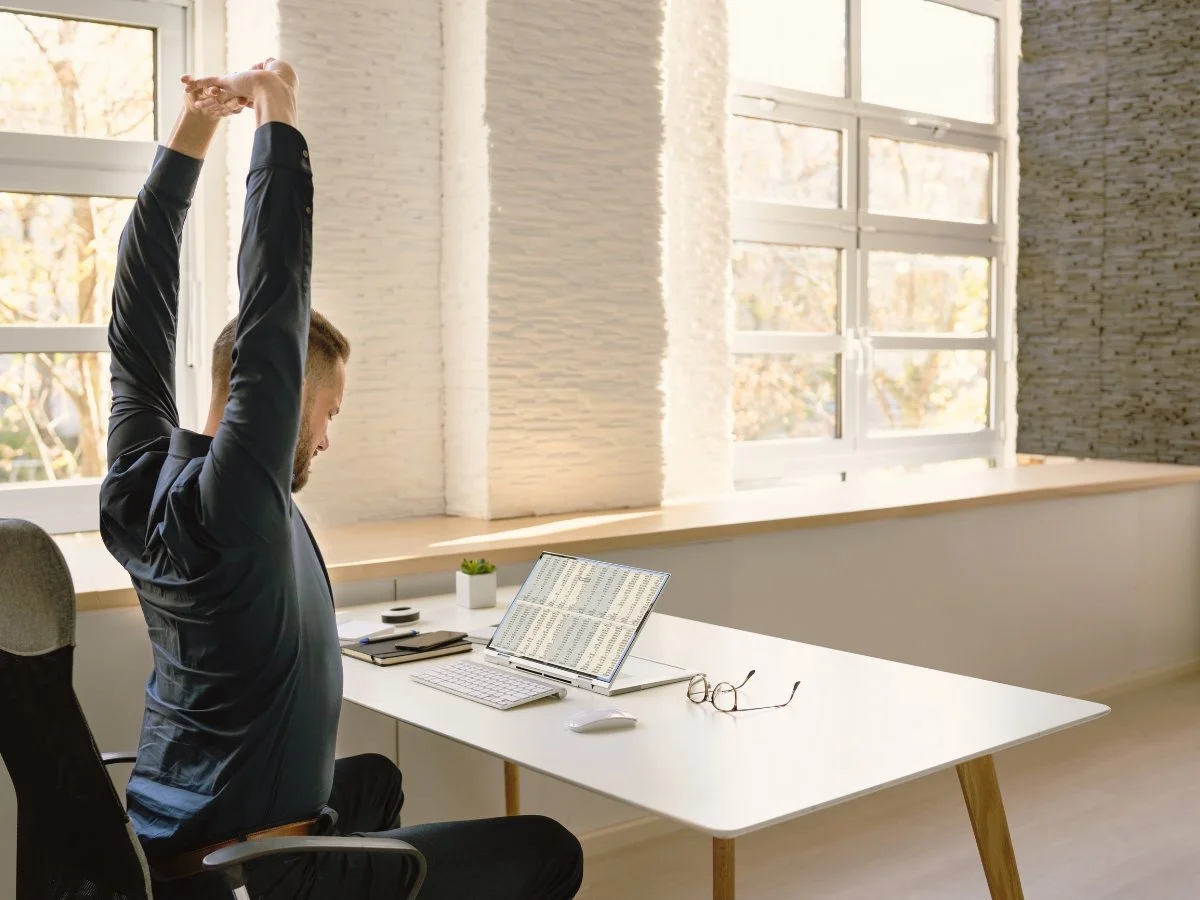
Tech Neck Is Usually Bigger Than Your Neck
Most people think of “tech neck” as simple neck tension caused by looking down at a phone or laptop.
But for many people, the effects are broader than the neck alone.
Long hours at a desk, prolonged screen time, stress, and repetitive positioning can gradually influence the shoulders, upper back, jaw, breathing patterns, headaches, and overall recovery capacity — especially when these routines repeat day after day.
At Healcove, we often see tech neck as part of a larger pattern of accumulated modern-life tension rather than an isolated neck issue.
Tech Neck Is About More Than Posture
Posture is part of the conversation, but tech neck is rarely just about “sitting wrong.”
Many people spend large portions of the day:
working at a computer
sitting in meetings
driving
looking at phones
switching between screens
carrying stress throughout the workday
Over time, the body adapts to these repeated positions and patterns.
This can gradually contribute to:
neck stiffness
shoulder tension
upper back tightness
jaw clenching
headaches
reduced movement variability
feeling compressed or fatigued after long workdays
For many active adults, these patterns build slowly rather than appearing all at once.
Why the Neck Often Isn’t the Only Area Involved
The neck works closely with:
the shoulders
upper back
jaw
ribcage
breathing mechanics
and nervous system regulation
This is one reason neck tension often overlaps with:
tension headaches
jaw discomfort or clenching
upper back tightness
stress-related tension
reduced recovery capacity
Many people notice that even when they stretch their neck repeatedly, the tension eventually returns because the broader pattern has not changed.
This is why an evidence-informed care approach considers the broader pattern, not just the area that feels tight.
Stress and Screen Time Often Overlap
Tech neck is not only mechanical.
For many people, long workdays also involve:
sustained concentration
stress accumulation
reduced movement throughout the day
nervous system fatigue
shallow breathing patterns
difficulty fully relaxing after work
The body does not always separate physical tension from mental load.
This is one reason desk tension and screen fatigue can sometimes affect:
sleep quality
headaches
jaw tension
recovery between workouts
overall energy levels
Modern routines place both physical and nervous system demands on the body simultaneously.
Why Stretching Alone Does Not Always Fully Help
Stretching can absolutely feel helpful and supportive.
But many people find that temporary relief does not always last if the body continues returning to the same repetitive positions and stress patterns every day.
Recovery often involves more than:
stretching the neck
improving ergonomics
or forcing “perfect posture”
For many people, recovery also involves:
movement variability
stress regulation
mobility support
reducing accumulated tension over time
helping the body adapt more comfortably to modern routines
This is why recovery-focused care often looks broader than the neck alone.
Supporting Recovery at Healcove
At Healcove, support for tech neck and desk-related tension is individualized based on how your body is functioning and what patterns are contributing to discomfort or restriction.
Depending on your needs, support may include:
Some people seek support because of recurring neck tension or headaches. Others are looking to improve recovery, mobility, stress regulation, or how their body feels during long workweeks.
You can also explore our Desk Tension & Recovery in San Diego page to learn more about recovery support for desk-related tension and modern work routines.
Frequently Asked Questions
What is tech neck?
Tech neck refers to tension and discomfort associated with prolonged screen use, repetitive positioning, and modern desk-based routines. It often affects more than just the neck itself.
Can tech neck cause headaches?
Yes. Neck tension, upper back tightness, jaw clenching, and stress accumulation can sometimes overlap with tension headaches and posture-related discomfort.
Why does my neck tension keep coming back?
For many people, repetitive daily routines, prolonged sitting, stress, and limited movement variability contribute to recurring tension patterns over time.
Is tech neck only caused by posture?
No. Posture is part of the conversation, but stress, screen time, repetitive positioning, movement habits, and recovery capacity may all play a role.
What types of care may help with tech neck?
Depending on your needs, support may include chiropractic care, acupuncture, massage therapy, mobility-focused support, and recovery-oriented care approaches.