Why Headaches, Jaw Tension, and Neck Tension Often Show Up Together
5 min read
Many people think of headaches, jaw tension, and neck discomfort as separate problems.
A headache feels like a headache. Jaw tension feels like a jaw issue. Neck stiffness feels like something caused by posture, sleep position, or a long day at work.
But in everyday life, these experiences often show up together.
You might notice your jaw feels tight on the same days your neck feels stiff. Or that headaches seem more common during periods of stress, poor sleep, long workdays, or extended time at a computer.
While every situation is different, these patterns frequently overlap in ways that can be surprising.
The Body Doesn't Always Separate Symptoms the Way We Do
It's natural to think about symptoms based on where we feel them.
If your jaw hurts, you focus on your jaw.
If your neck feels tight, you focus on your neck.
If your head hurts, you focus on your headache.
The body, however, doesn't always organize experiences into neat categories.
Muscles, connective tissue, movement habits, stress responses, and daily routines all interact with one another. Because of this, discomfort in one area may appear alongside tension in another.
This is one reason people are often surprised to discover that recurring headaches, jaw tension, and neck discomfort seem to move together.

Common Situations People Notice
Many people begin connecting the dots when they recognize patterns such as:
Headaches that appear after long workdays
Jaw clenching during stressful periods
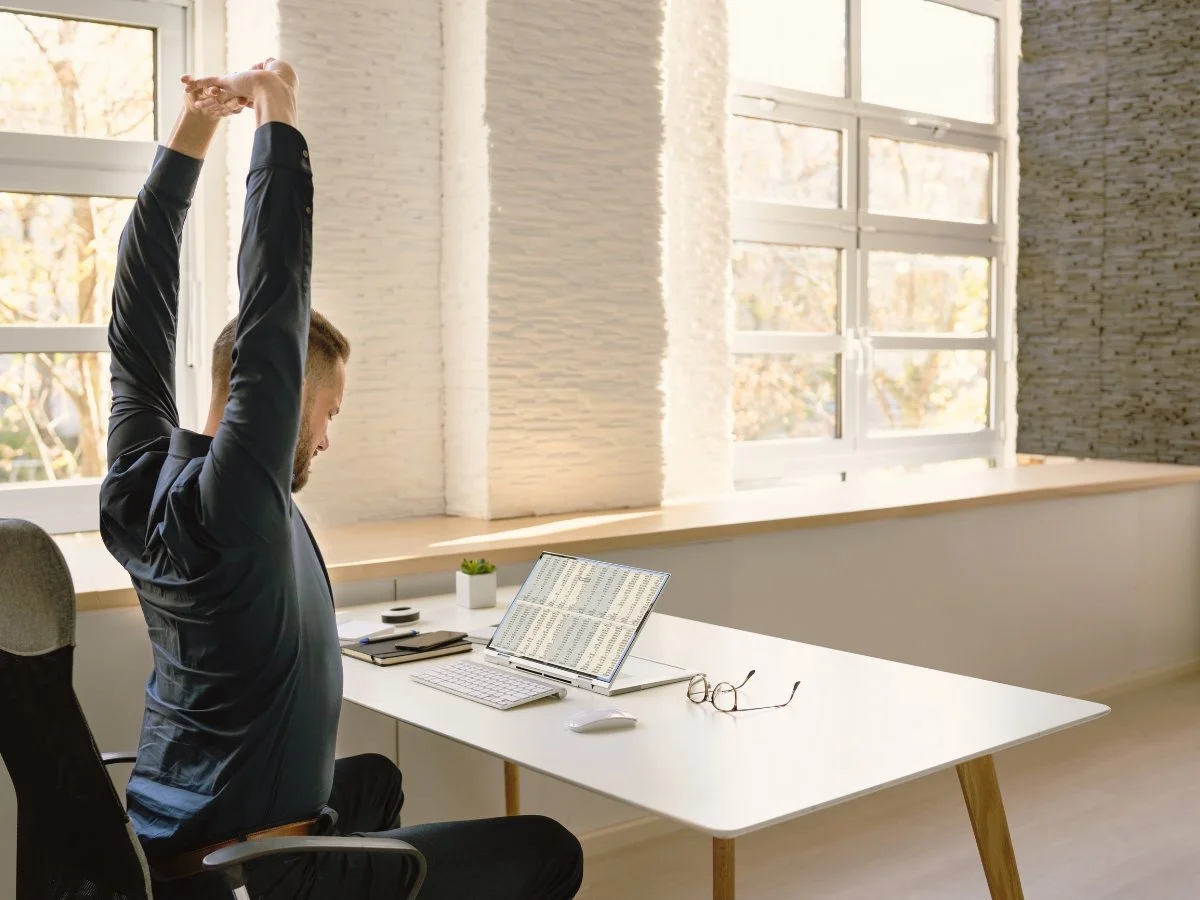
Neck stiffness that develops after extended computer use
Symptoms that worsen when sleep quality declines
Tension that returns despite stretching or temporary relief strategies
While these experiences do not necessarily point to a single cause, they often suggest that multiple factors may be contributing at the same time.
Stress Often Shows Up Physically
Stress is frequently discussed as an emotional or mental experience.
But many people notice stress physically before they recognize it mentally.
This may appear as:
Jaw clenching
Tight shoulders
Neck tension
Muscle guarding
Restless sleep
Difficulty fully relaxing
Over time, these patterns can influence how the body feels, moves, and recovers.
This is one reason headaches, jaw tension, and neck discomfort often seem connected during particularly demanding periods of life.
“Stress often shows up physically before we recognize it mentally.”
Daily Habits Matter More Than One Bad Day
Most recurring tension patterns do not develop from a single day.
They often emerge gradually through repeated experiences such as:
Frequent device use
Limited movement during the day
Stress accumulation
Inconsistent recovery habits
Sleep disruption
Because these influences accumulate over time, symptoms can feel persistent even when there is no obvious injury or event to point toward.

Looking Beyond the Area That Hurts
One of the most helpful shifts people make is moving beyond the idea that symptoms always exist in isolation.
Instead of asking:
"Why does my jaw hurt?"
It can be useful to ask:
"What else is happening alongside this?"
The same question applies to headaches and neck discomfort.
Sometimes understanding the broader pattern provides more clarity than focusing on a single symptom alone.
When It May Be Helpful to Seek Support
If headaches, jaw tension, or neck discomfort are becoming more frequent, affecting sleep, limiting comfort, or repeatedly returning despite self-care efforts, it may be worth exploring the bigger picture.
Understanding how symptoms overlap can often create a clearer path forward.
Frequently Asked Questions
Can headaches, jaw tension, and neck discomfort be related?
Yes. Many people notice these symptoms appear together, particularly during periods of stress, prolonged sitting, repetitive daily habits, or reduced recovery. While every situation is different, headaches, jaw tension, and neck discomfort often overlap as part of a broader pattern rather than existing in isolation.
Why do my headaches seem connected to my jaw tension?
Jaw tension, clenching, and surrounding muscle tension sometimes overlap with headache patterns. Many people notice headaches become more noticeable during periods when jaw tightness, stress, or tension are also present.
Can stress contribute to jaw and neck tension?
Many people experience stress physically through jaw clenching, neck tension, shoulder tightness, muscle guarding, and changes in recovery quality. Stress does not affect everyone the same way, but physical tension is a common experience.
Why do symptoms seem worse after long workdays?
Long periods of sitting, computer use, reduced movement, and accumulated stress may influence how headaches, jaw tension, and neck discomfort are experienced. Many people notice symptoms becoming more noticeable later in the day or after extended periods of focused work.
What should I do if these symptoms keep returning?
If headaches, jaw tension, or neck discomfort are becoming more frequent, affecting sleep, limiting comfort, or repeatedly returning despite self-care efforts, it may be helpful to seek professional guidance and explore the broader pattern contributing to the experience.
Not Sure Where to Begin?
If you're experiencing recurring headaches, jaw tension, or neck discomfort and aren't sure what may be contributing, most people begin with chiropractic care. It provides a clear starting point for assessing movement, tension patterns, and recovery needs while helping guide next steps.
Call (619) 518-4222 or email info@healcove.com.