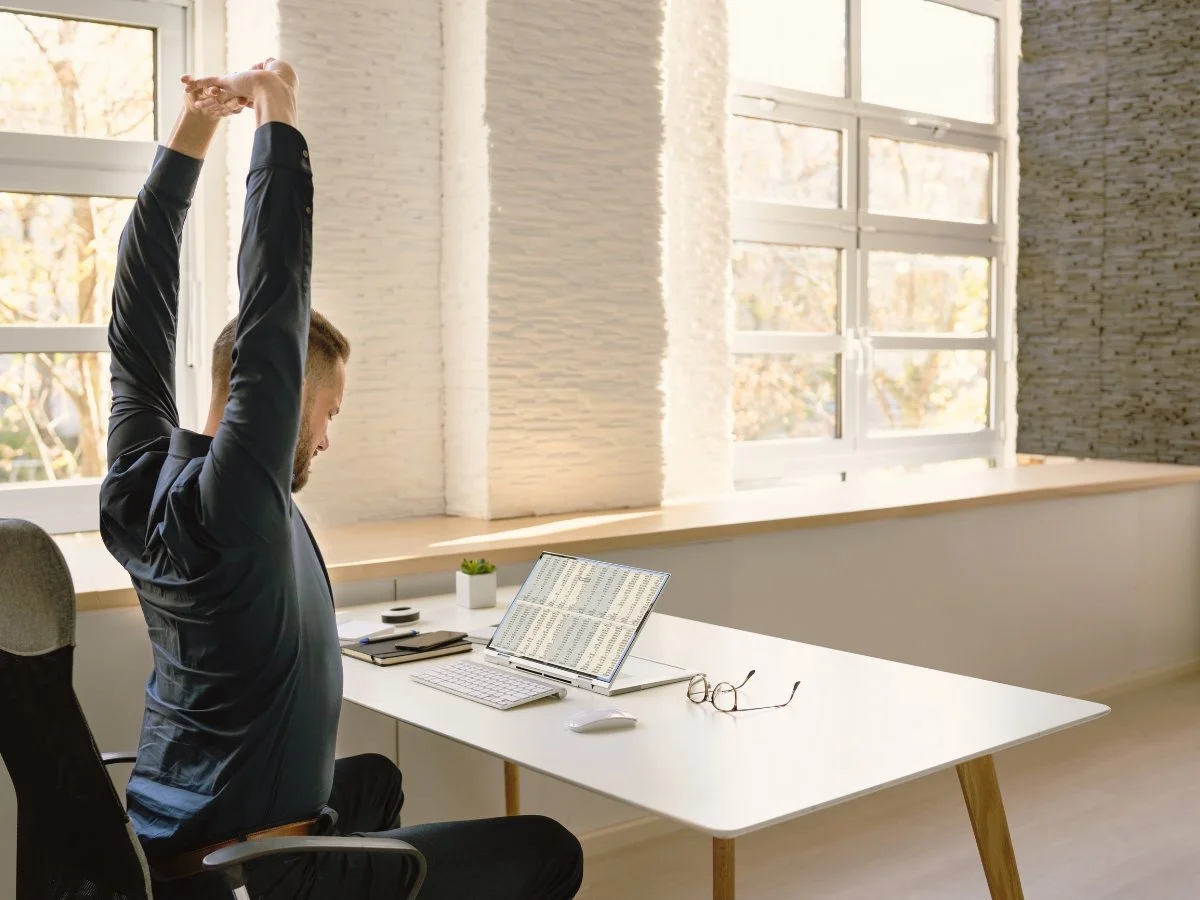
When Stress Starts Showing Up in Your Jaw, Neck, and Recovery
4 min read
There are times when life feels manageable on paper but your body tells a different story.
You might notice your jaw feels tighter than usual. Your neck seems stiff despite stretching. Headaches become more common. Sleep feels less restorative. Recovery from workouts, workdays, or everyday stressors takes longer than it once did.
Many people experience stress physically long before they consciously recognize it.
Stress Is Not Only a Mental Experience
When most people think about stress, they think about emotions, responsibilities, deadlines, or major life events.
But stress is also experienced physically.
It can influence:
Muscle tension
Recovery quality
Sleep
Movement comfort
Energy levels
Daily resilience
While everyone responds differently, the body often develops recognizable patterns when stress remains elevated for extended periods of time.

The Jaw Is a Common Place Tension Shows Up
Many people discover stress through their jaw before anywhere else.
This may appear as:
Clenching
Tightness around the jaw
Tenderness near the temples
Increased awareness of tension while working
Feeling unable to fully relax the face and jaw
Often these experiences happen gradually, making them easy to overlook until they become difficult to ignore.
The Neck and Shoulders Often Join the Conversation
Jaw tension rarely feels isolated.
Many people also notice:
Neck stiffness
Tight shoulders
Limited comfort during movement
Increased tension after long workdays
A feeling of carrying stress physically
This does not necessarily mean a single structure is responsible. Instead, it reflects how the body often experiences tension as a pattern rather than a single problem.
Recovery Can Be Affected Too
One of the less obvious ways stress shows up is through recovery.
People sometimes notice:
Feeling less rested after sleep
Taking longer to recover from activity
Persistent muscle tightness
Reduced resilience during busy periods
Symptoms that linger longer than expected
When recovery becomes less efficient, tension often feels more noticeable and more difficult to resolve.
“Many people experience stress physically long before they consciously recognize it.”
Why Awareness Matters
The goal is not to eliminate all stress.
Stress is a normal part of life.
What often helps is recognizing when the body is beginning to carry more than it can comfortably recover from.
Awareness creates an opportunity to respond earlier rather than waiting until discomfort becomes the primary signal.
Looking at the Bigger Picture
If jaw tension, neck discomfort, headaches, sleep changes, and recovery challenges seem to appear together, it may be helpful to look beyond a single symptom.
Understanding how these experiences overlap can provide greater clarity and help guide appropriate next steps.
When It May Be Helpful to Seek Support
If headaches, jaw tension, or neck discomfort are becoming more frequent, affecting sleep, limiting comfort, or repeatedly returning despite self-care efforts, it may be worth exploring the bigger picture.
Understanding how symptoms overlap can often create a clearer path forward.
Frequently Asked Questions
Can stress cause jaw tension?
Many people notice stress physically through jaw clenching, jaw tightness, or increased tension around the face and temples.
Can stress contribute to neck discomfort?
Stress often influences muscle tension and recovery patterns, which may contribute to feelings of neck stiffness or discomfort.
Why do headaches seem worse during stressful periods?
Many people notice headaches become more frequent or noticeable during periods of elevated stress, reduced sleep quality, or prolonged tension.
Can stress affect recovery?
Stress may influence sleep quality, recovery habits, and how the body responds to physical demands, which can affect overall recovery experiences.
What should I do if stress-related tension keeps returning?
If symptoms continue to return despite self-care efforts, it may be helpful to seek professional guidance and explore the broader pattern contributing to the experience.
Not Sure Where to Begin?
If you're noticing recurring jaw tension, neck discomfort, headaches, or recovery challenges and aren't sure what may be contributing, most people begin with chiropractic care. It provides a clear starting point for assessing movement, tension patterns, and recovery needs while helping guide next steps.
Call (619) 518-4222 or email info@healcove.com.